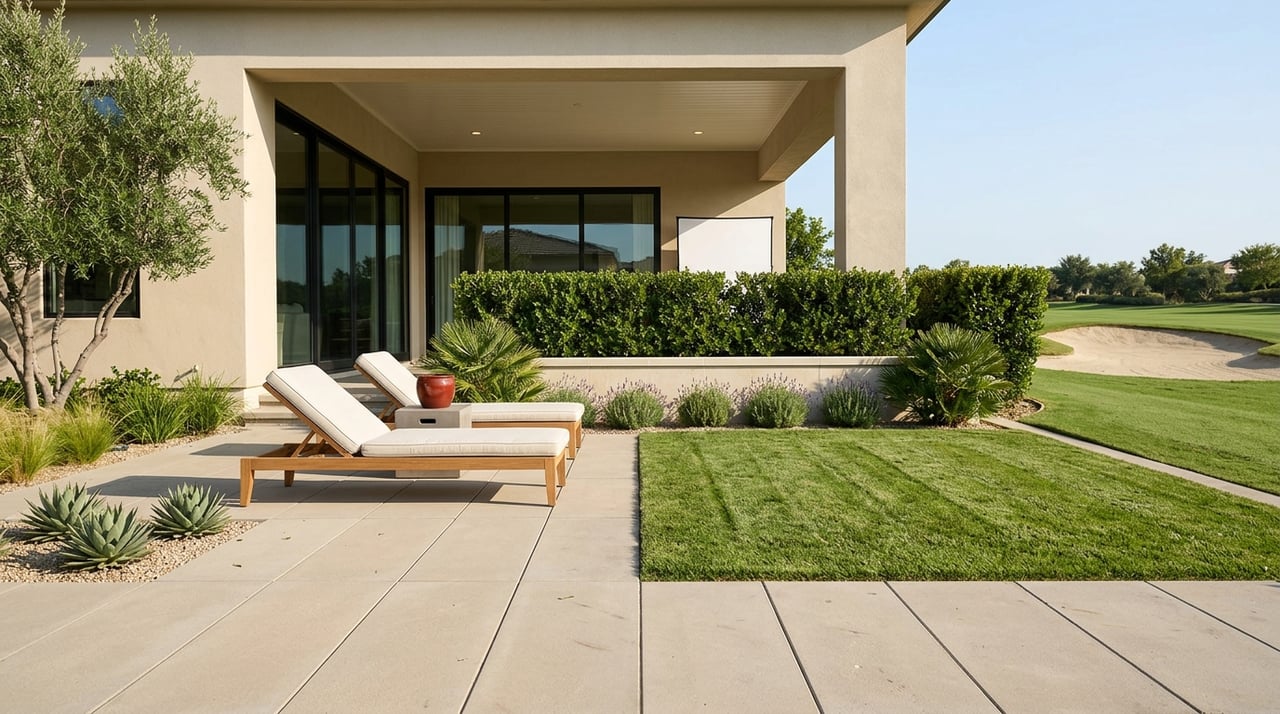
If you are thinking about buying a golf course home in The Crosby, it is easy to focus on the views first. Fairways, open space, and a private club setting can make these properties feel like a rare lifestyle buy. But in a community like The Crosby, the smartest purchase comes from looking beyond the backyard and understanding the full package of rules, access, costs, and lot orientation. Let’s dive in.
Why The Crosby Stands Out
The Crosby is a gated master-planned community in the Rancho Santa Fe corridor of San Diego. Official community information describes roughly 722 acres with villas, semi-custom homes, and custom homesites arranged around a private 18-hole golf course.
The setting is a big part of the appeal. The community also notes more than 190 acres of permanent open space, a trail system connected to the Coast to Crest Trail along the San Dieguito River, and broad views toward Rancho Santa Fe and the river valley.
For many buyers, that combination creates a very specific lifestyle. You are not just buying a home near a course. You are buying into a gated environment with controlled access, architectural consistency, and private club amenities.
What a Golf Course Home Means Here
A golf course home in The Crosby does not always mean the same thing from one property to the next. One home may back to a fairway, another may face a green or tee, and another may sit near open space or the trail corridor instead of direct course frontage.
That distinction matters because your daily experience can vary quite a bit. Views, privacy, sun exposure, and activity levels may look very different depending on what the lot actually borders.
The course itself is described by official club and community materials as a private 18-hole championship course designed by Fred Couples and Schmidt-Curley with Brian Curley. The exact par designation appears inconsistent across official pages, so the safest takeaway is to focus on the private championship course setting rather than a specific par number.
Club Access Is Separate From Homeownership
One of the most important things to know is that buying in The Crosby is not the same as automatically getting full club privileges. The Crosby Club lists separate membership categories for golf, athletic, and social access.
Golf membership includes golf-related privileges plus dining, banquet facilities, and social functions. Athletic membership includes the fitness center, classes and training, pool and spa access, tennis courts, pickleball courts, and a reduced allotment of tee times. Social membership focuses on dining and social-event access.
This matters when you compare homes and carrying costs. A house on or near the course may look like a golf lifestyle property, but the level of access you want will depend on the membership structure and related costs.
Understand Club Costs and Household Use
Before you write an offer, make sure you understand how the club fits your actual lifestyle. The club states that food-and-beverage minimums are billed quarterly, and privileges extend to a member’s spouse or significant other and certain children living at home who meet the listed criteria.
That means the right membership for your household depends on how often you plan to use the course, fitness amenities, dining, or social calendar. A buyer who wants regular golf access should evaluate that differently from a buyer who mainly values the gate, views, and clubhouse environment.
It is also wise to confirm whether HOA assessments, club dues, and food-and-beverage minimums are separate line items. In a community like The Crosby, understanding your full monthly and quarterly obligations is part of making a confident decision.
Lot Orientation Matters More Than You Think
In The Crosby, lot orientation is not just a design preference. The architectural guidelines specifically consider topography, grading, finished ground elevation, the facing of architectural elevations, aesthetics, noise, and privacy.
For you as a buyer, that means morning light versus afternoon sun can shape how the home lives day to day. It also means fairway visibility, trail exposure, and neighboring sightlines deserve close review before you move forward.
A beautiful golf course backdrop can be a major plus, but privacy is not automatic. Some lots may feel more open to golfers, trail users, or nearby homes, while others may offer a more tucked-away setting with a stronger sense of separation.
Architecture and Design Rules Shape the Community
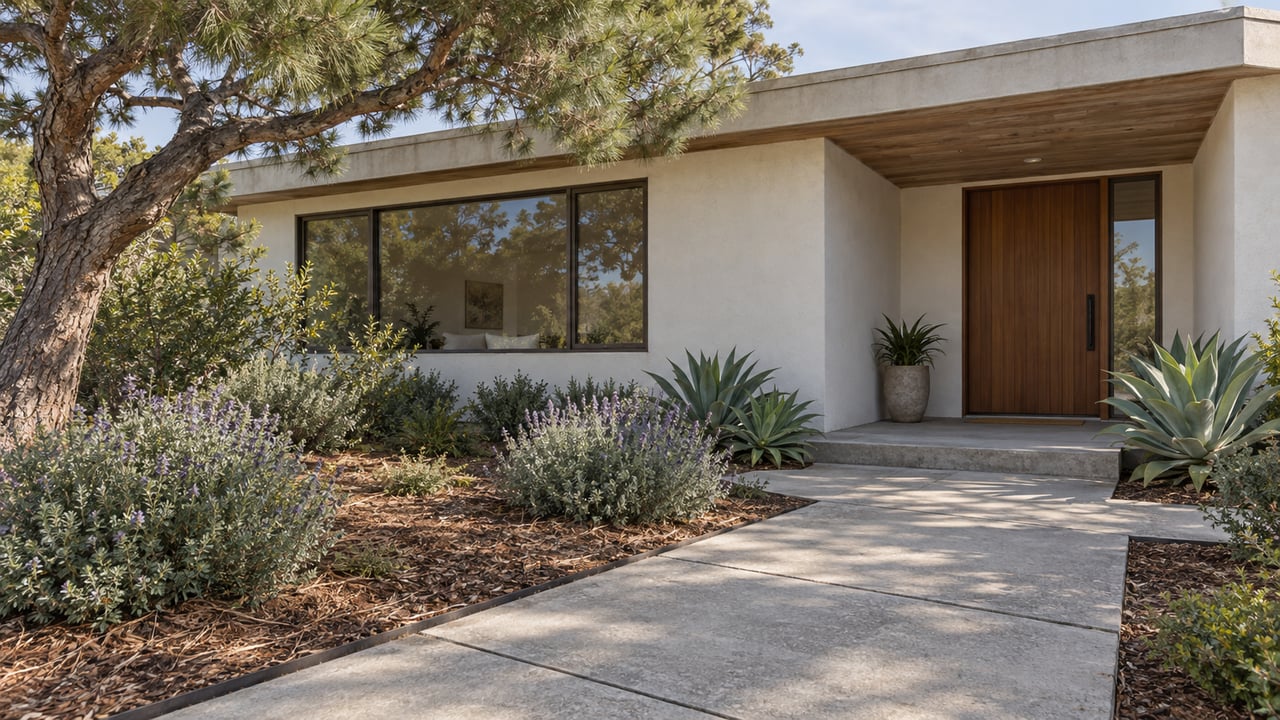
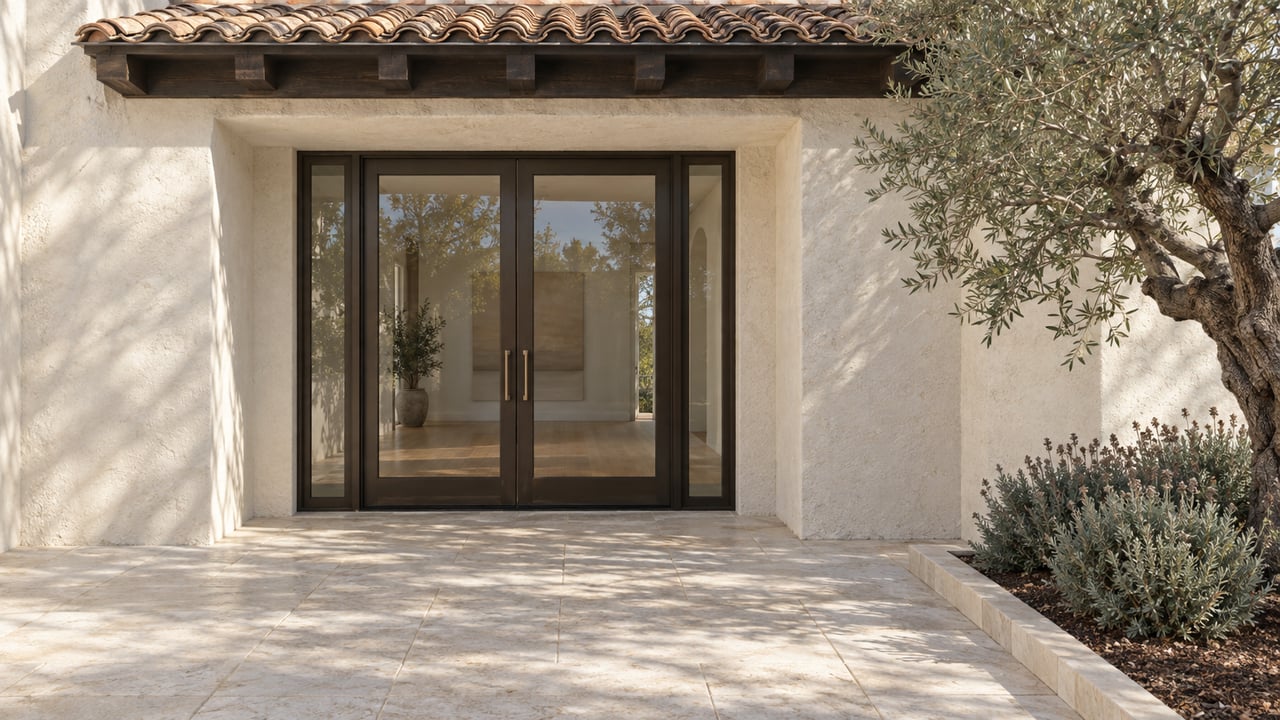
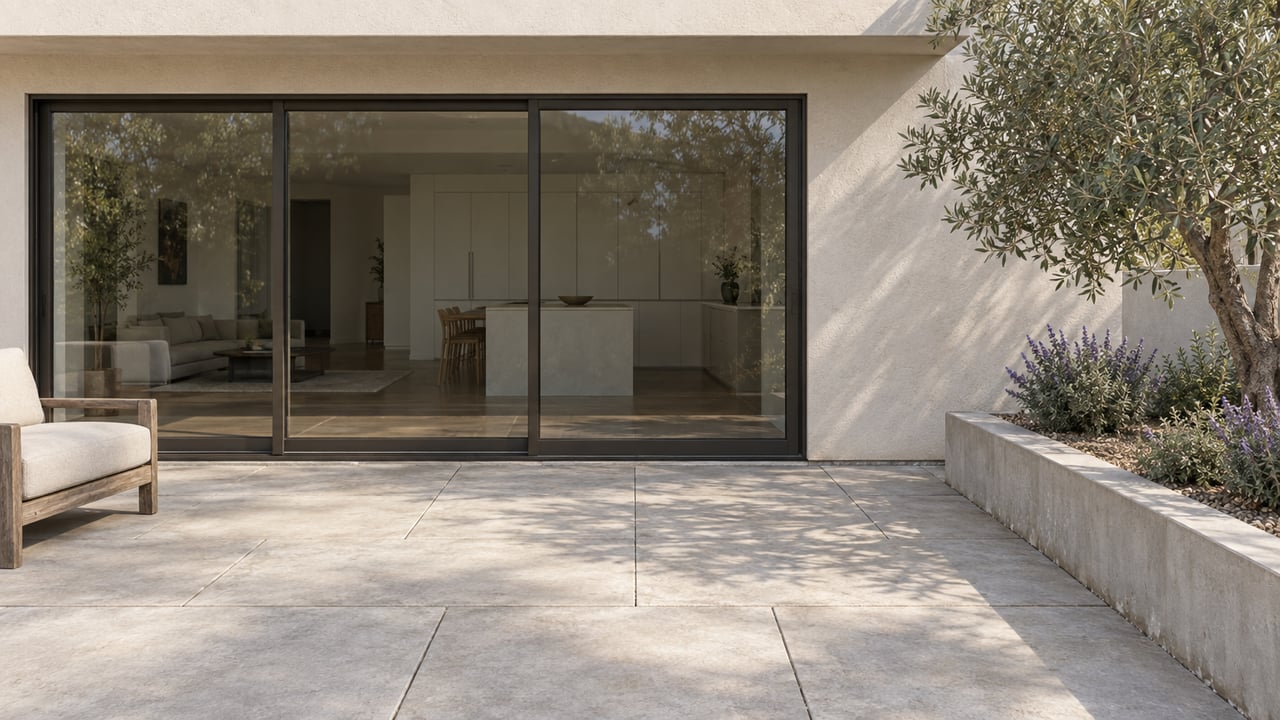
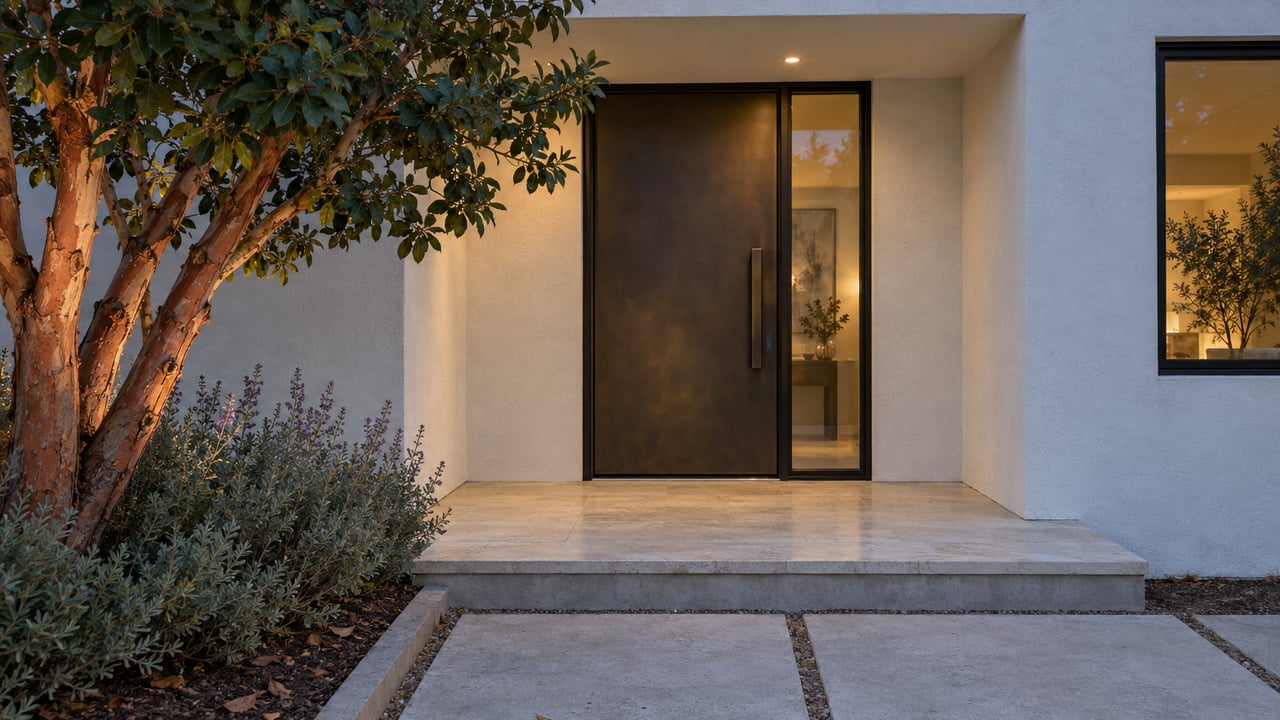
The Crosby has a very defined architectural character. The community’s design guidelines call for Spanish Revival and Spanish Colonial Revival influences, including low-pitched red tile roofs, stucco walls, arches, balconies, loggias, patios, and courtyards.
That consistency is part of what many buyers find attractive. Homes are meant to relate closely to the natural surroundings, with landscaping designed to feel naturalized and drought-tolerant and with walls and perimeter treatments intended to blend into the hillside setting.
For resale, this can support a cohesive look across the neighborhood. For ownership, it also means additions, exterior changes, and new construction are subject to design review approval.
Custom Lots Need Extra Due Diligence
If you are looking at a custom lot or a larger parcel, take a close look at the legal lot setup. The guidelines define custom lots as residential lots sold individually and set a minimum home size of 2,500 square feet, excluding non-habitable areas such as garages and attics.
The rules also note that some adjacent lots may be reconfigured into a single dwelling, while each original lot may still be treated separately for assessments and other governing-document purposes. If you are considering an unusually large homesite or combined parcel, confirm the exact legal configuration, buildable envelope, and any ongoing obligations tied to the original lots.
This is one area where details matter. What looks like one large estate parcel from the street may involve more than one original lot on paper.
Gate Access Affects Daily Life
Because The Crosby is a guarded gated community, access procedures are a real part of daily ownership. The community handbook states that residents use decals and transponders for gate access, while guests and vendors need visitor passes.
It also notes that access rights can vary by membership type. According to the handbook, golf and sports members have unrestricted gate access, while social members may only enter during the club’s food-and-beverage service hours.
If you entertain often, host service providers regularly, or expect a steady flow of visitors, this is worth understanding upfront. A smooth routine depends on knowing how guest entry works in practice.
Parking Rules Are Strict
Parking is one of the biggest practical issues buyers should ask about before closing. The handbook states that resident street parking is prohibited except on Bing Crosby Boulevard in designated locations, and no vehicle may remain on any street for more than 24 consecutive hours.
The HOA ties this policy to fire department access needs so emergency vehicles can reach homes. Temporary parking may be allowed in limited situations, but the rules are tight.
If you host large gatherings, there may be added requirements. The handbook notes that larger events can trigger valet requirements and additional gate staffing paid by the host.
Golf Cart Assumptions Can Cause Surprises
Many buyers assume that a golf course home naturally comes with easy personal golf-cart use around the neighborhood. In The Crosby, that assumption should be checked carefully.
The handbook says the only golf carts permitted to be operated within the project are carts owned by the golf-course owner, and member street use depends on local ordinance and club rules. In plain terms, fairway living here does not automatically mean you can drive your own golf cart on community streets.
If that feature matters to you, ask for clarity before making an offer. It is much better to verify the rule early than to discover a mismatch after closing.
HOA Enforcement Can Affect Livability
In any gated community, rules are part of the ownership experience. The Crosby’s published fine schedule includes penalties for parking, pets, noise or nuisance issues, traffic and motor-vehicle matters, and unauthorized improvements.
Some fines can escalate substantially. The handbook also notes that the association can suspend transponder access or visitor-system privileges for violations or unpaid assessments.
For buyers, this is not necessarily a negative. Strong rule enforcement can help preserve order and consistency. But it does mean you should go in with clear expectations about compliance and day-to-day living.
Resale Value Is About More Than the Fairway
A golf course location can be a strong selling feature, but it is not a guaranteed value booster on its own. Research cited in the report shows mixed findings on golf-course adjacency, which is a helpful reminder that buyers should avoid assuming an automatic premium.
In The Crosby, the stronger resale story is likely the broader package. Gated access, private club amenities, open-space surroundings, and architectural consistency may carry as much weight as direct fairway frontage.
That is why it helps to evaluate each property as a whole. A lot with a good view but weaker privacy or tighter access limitations may appeal differently than a lot with less direct course exposure but stronger day-to-day livability.
Smart Questions to Ask Before You Buy
When you tour golf course homes in The Crosby, keep your questions practical and property-specific. A polished exterior and a fairway backdrop should be the start of your review, not the end of it.
Here are some of the most important questions to ask:
- What does the lot actually back to: fairway, green, tee, open space, or trail corridor?
- Is the home oriented for morning light or afternoon sun?
- How visible is the home from the course, trail, or neighboring lots?
- What are the current HOA assessments, club dues, and quarterly food-and-beverage minimums?
- How do guest passes, vendor access, and gate procedures work in day-to-day use?
- What are the guest parking rules if you entertain often?
- Would larger gatherings require valet or added gate staffing?
- Are there landscaping, brush-management, or fuel-modification obligations tied to the lot?
- Are golf carts permitted for this property under current rules?
- If you may lease the property later, what community requirements apply to tenants and leases?
The Bottom Line for Buyers
Buying a golf course home in The Crosby can be a great lifestyle move if the property fits how you actually want to live. The best purchase is usually the one where the views, privacy, access, club structure, and carrying costs all line up.
That is especially true in a community with formal design review, strict gate and parking procedures, and separate club membership options. When you understand those moving pieces early, you can compare homes more clearly and avoid surprises later.
If you want a local perspective on how to evaluate fairway lots, custom homesites, and gated-community tradeoffs in North County San Diego, Butler Group Real Estate can help you approach the search with clarity and confidence.
FAQs
What should you look for in a golf course home in The Crosby?
- Focus on the full package: lot orientation, privacy, what the home backs to, gate access, parking rules, HOA costs, club dues, and how often you would use the available amenities.
Does buying a home in The Crosby include golf club membership?
- No. The club lists separate membership categories, so homeownership and club access are not the same thing.
Are golf carts allowed on streets in The Crosby?
- The community handbook says the only golf carts permitted within the project are those owned by the golf-course owner, with member street use dependent on local ordinance and club rules.
How important are parking rules when buying in The Crosby?
- Very important. The handbook states that resident street parking is generally prohibited except in designated areas on Bing Crosby Boulevard, with additional limits and event-related requirements.
Do design rules matter when buying a home in The Crosby?
- Yes. The architectural guidelines are detailed and require review of additions and new construction, with attention to privacy, noise, topography, and overall design consistency.
Is a fairway location in The Crosby always better for resale?
- Not necessarily. Research on golf-course adjacency is mixed, so resale value is better judged by looking at the entire property package, including privacy, access, open-space setting, and community features.