Wondering if living by the water in Del Mar feels as dreamy as it looks? In many ways, it does. You get a true coastal lifestyle with walkable beach access, a small village feel, and beautiful outdoor spaces, but you also need to understand the crowds, parking limits, older housing stock, and coastal risks that come with it. If you are thinking about buying in Del Mar, here is what daily life really looks like. Let’s dive in.
Del Mar Has a True Small-Coastal Feel
Del Mar is a compact seaside city with about 4,200 residents in just 2.2 square miles. That small footprint shapes daily life in a big way. Instead of feeling like a sprawling beach destination, Del Mar feels more like a defined village centered around the shoreline and a modest downtown core.
The city describes itself as a seaside village with a downtown retail and restaurant area, a small commercial section, several hotels, and mostly single-family neighborhoods. For you as a buyer, that means the lifestyle is intimate and residential at its core. Even with a steady flow of visitors, Del Mar still feels like a place where day-to-day life revolves around a tight local setting.
Beach Access Is Part of Daily Life
One of the biggest advantages of living by the water in Del Mar is that the beach is not just nearby. It is woven into how people spend their time. The city has more than two miles of sandy beach, along with popular public spaces like Powerhouse Park and Seagrove Park above the 15th Street surf break.
North Beach, often called Dog Beach, stretches north of 29th Street toward the Solana Beach border. Beyond the sand itself, Del Mar also connects you to coastal bluffs, Crest Canyon, Torrey Pines State Park, Scripps Bluff Preserve, and the San Dieguito River Lagoon. If you value outdoor access, this is one of the clearest reasons Del Mar stands out.
The Waterfront Is Active Year-Round
Living near the ocean here is not just a summer experience. Del Mar lifeguards patrol year-round, and additional towers open during the summer season. That tells you something important about the area: the beach is a regular part of city operations and everyday use, not just a scenic feature.
There are also practical safety realities to know. The city notes strong rip currents, inshore holes, and unstable cliffs and bluffs. Del Mar also adopted a March 2026 ordinance limiting beach holes to two feet deep, which reflects how closely the shoreline is managed as a public space.
Walkability Is Real, but You May Still Drive
If your goal is a more walkable coastal lifestyle, Del Mar can deliver that in the right location. The city promotes pedestrian- and bicycle-friendly streets, along with public transit options and Route 101 service along Camino del Mar. That can make short local trips easier, especially near the Village and beach areas.
At the same time, Del Mar is not a fully car-free environment. Regional rail access comes through the Solana Beach COASTER and Amtrak station, which helps with broader travel. Still, for most residents, transit complements driving rather than replaces it.
The Village Adds Charm and Convenience
A major part of Del Mar’s appeal is that dining and shopping are concentrated in the Village. Instead of a large commercial corridor, you get a smaller, more curated-feeling center. That can make everyday errands, coffee runs, or dinner outings feel more connected to the neighborhood experience.
For many buyers, this is one of Del Mar’s strongest lifestyle draws. You are not just buying proximity to the water. You are buying access to a compact coastal setting where daily routines can happen close to home.
Summer Crowds Change the Rhythm
Del Mar may feel calm much of the year, but peak season can be a different story. The city reports millions of visitors annually, and that surge becomes much more noticeable in summer. If you live near the water, you will likely feel the seasonal change in traffic, parking, and overall activity.
Parking is one of the clearest examples. The city says parking is scarce, enforcement is daily year-round, and on busy summer days almost all spaces are full by noon. If you are used to easy coastal access in less visited beach towns, this is one of the biggest practical differences in Del Mar.
Fairgrounds and Racetrack Impact Traffic
Seasonal activity is not driven by the beach alone. The Del Mar Fairgrounds and racetrack bring in major event crowds that can reshape local traffic patterns. The San Diego County Fair is scheduled for June 10 through July 5, 2026, and the Del Mar Thoroughbred Club’s 2026 summer season opens July 17 and runs 32 days through Labor Day.
For you as a buyer, that means location matters. Some homes offer easier access patterns than others, and some areas may feel more affected during major event periods. This does not make Del Mar less desirable, but it does make it operationally different from quieter coastal communities.
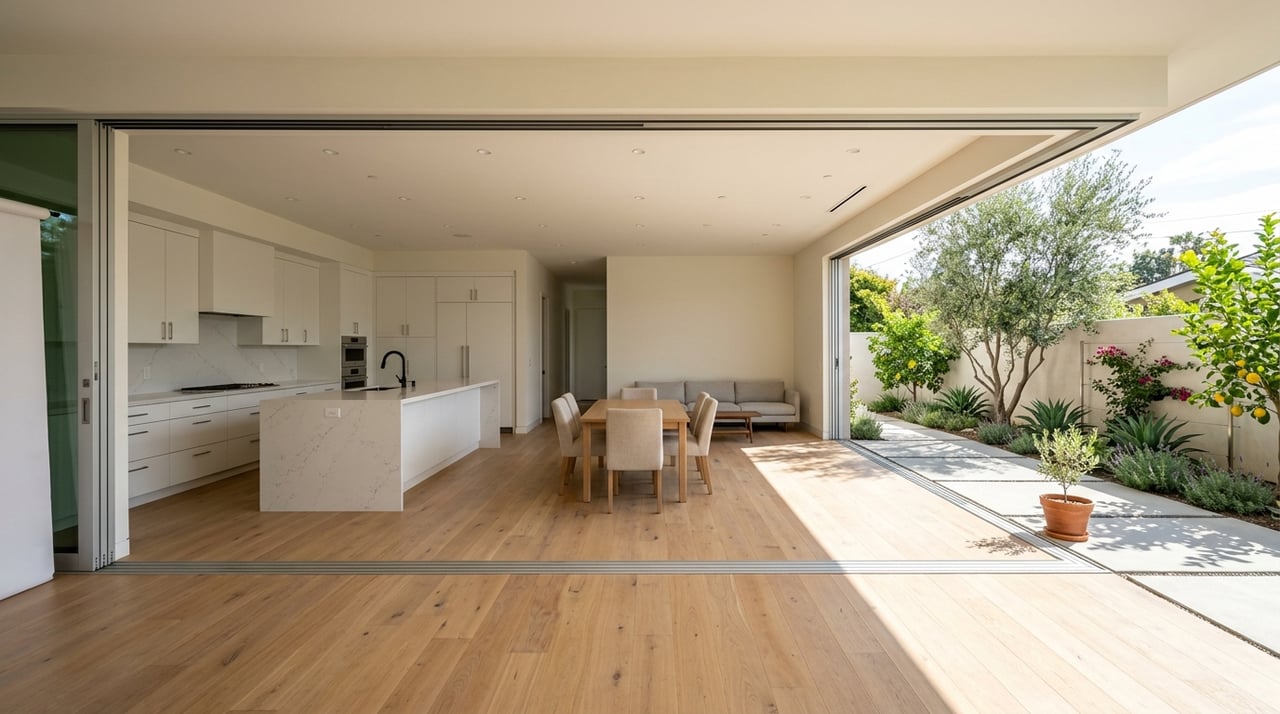
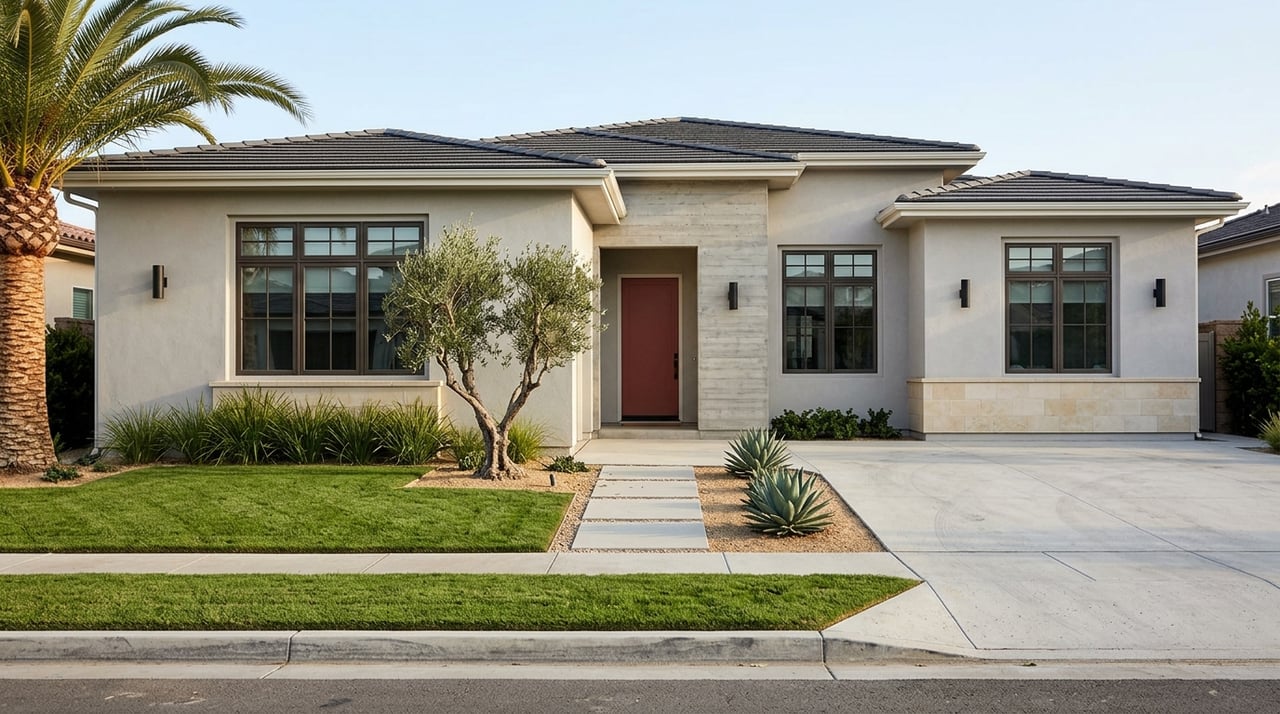
Housing Varies More Than Many Buyers Expect
At first glance, Del Mar may seem like a city of mostly detached coastal homes. That is part of the picture, but not the whole story. According to the city’s housing element data, 48.2% of occupied units were detached homes, 19.8% were attached homes, and 24% were in developments with 10 or more apartments.
A large share of the housing stock also dates back several decades. Roughly 63% of homes were built between 1950 and 1970. For you, that can mean character and established settings, but it may also mean older layouts, varying levels of renovation, and a wider range of property conditions than you might expect.
West of the Tracks vs. East of the Tracks
One of the most useful ways to understand Del Mar housing is to compare areas west and east of the tracks. The city’s design guidelines describe the North Beach and Beach Colony area as ocean-close, relatively dense, flat, grid-based, and made up of small lots with narrow streets and limited landscaping. That creates a distinct beach-neighborhood feel.
As you move east, multifamily housing becomes more common. This west-versus-east distinction helps explain why homes in Del Mar can feel very different from one area to another. If you are buying here, lifestyle fit often comes down to whether you want to prioritize immediate beach proximity, a different housing format, or a different street pattern.
Del Mar Is a Premium Coastal Market
The lifestyle is a major draw, but affordability is a real part of the conversation. The city’s housing element states that Del Mar currently has no deed-restricted affordable units for lower-income households. It also reports that 22.3% of households were paying more than half their income toward housing based on 2019 data.
That reinforces what many buyers already sense when they start their search. Del Mar is a premium coastal ownership market. If you are considering buying here, it helps to approach the decision with a clear understanding of both budget and long-term goals.
Coastal Risks Are Part of Ownership
Living by the water in Del Mar also means understanding the physical realities of a coastal location. The city’s draft Safety Element identifies projected sea-level rise, coastal storms, beach and bluff erosion, flooding, earthquakes, landslides, tsunamis, wildfires, and structure fire as key hazards. These are not theoretical issues in local planning.
The city also says bluff stabilization work is continuing through spring 2027 to help protect the shoreline and rail corridor. For buyers, this is an important reminder that coastal living comes with ongoing management and infrastructure considerations. A beautiful setting and a practical ownership mindset need to go together.
What Living by the Water Really Feels Like
So what is it really like to live by the water in Del Mar? It feels scenic, active, and highly connected to the outdoors. You can enjoy beach access, parks, village dining, and a compact coastal setting that is hard to replicate elsewhere in North County San Diego.
At the same time, you need to be comfortable with trade-offs. Seasonal tourism, parking scarcity, event-day congestion, older homes, and coastal hazard planning are all part of the package. For many buyers, that balance is exactly what makes Del Mar special: it is not just beautiful, it is a real working coastal town with a strong identity.
If you are weighing whether Del Mar fits your lifestyle, the best next step is to look beyond the view and evaluate how you want to live day to day. The right home here depends on how you balance walkability, privacy, access, housing style, and your comfort with the realities of a high-demand coastal market. If you want expert guidance on buying or selling in North County’s most sought-after communities, connect with Butler Group Real Estate.
FAQs
What is daily life like near the beach in Del Mar?
- Daily life in Del Mar often centers around easy access to the beach, parks, and the Village, with a more residential feel most of the year and heavier activity during peak summer periods.
How busy does Del Mar get during summer events?
- Del Mar gets significantly busier in summer due to beach visitors, the San Diego County Fair, and the Del Mar Thoroughbred Club season, which can affect traffic and parking.
What should Del Mar homebuyers know about parking?
- Parking in Del Mar is limited, enforced daily year-round, and can fill up by noon on busy summer days, especially near the beach and Village.
How does housing differ across Del Mar neighborhoods?
- Housing varies by area, with denser beach-close neighborhoods on smaller lots west of the tracks and more multifamily housing becoming common as you move east.
What risks should buyers consider for waterfront living in Del Mar?
- Buyers should understand local coastal hazards identified by the city, including sea-level rise, coastal storms, erosion, flooding, landslides, earthquakes, tsunamis, wildfires, and structure fire.